Soft Gel vs Hard Gel: What’s the Real Difference (and Which One Is Right for You?)
If you’ve ever been mid-manicure, nodding politely while thinking, wait… what is the difference between soft gel and hard gel? Well, you’re not behind. The nail world has just evolved fast, and the language hasn’t always caught up.
What used to be a simple choice has become more intentional. Different gels serve different purposes, and when the system doesn’t match your nail type, lifestyle, or expectations, it shows. Lifting, breakage, or a manicure that falls short of its promise are usually signs that the wrong gel was doing the job.
This guide is here to make things simple again. Clear explanations, no unnecessary jargon, and practical insight to help you choose the gel system that truly works for you.
What Is Soft Gel?
Soft gel is the most common gel system and the one most people are already familiar with — even if they don’t know the name. Traditional gel polish, soak-off builder gels, and most at-home gel kits fall into this category. What makes soft gel special is how it behaves on the nail. It’s designed to flex with your natural nail, not fight against it. Once cured, it stays slightly bendable, which makes it comfortable to wear, lightweight, and easy to remove.
Key Features of Soft Gel
- Soak-off with acetone
- Flexible after curing
- Thin, natural-looking application
- Lightweight feel
- Designed to enhance the natural nail, not replace it
Soft gel is ideal for people who love clean, polished nails without heavy structure. It’s made for everyday wear, trend-driven colors, and that glossy finish that just works with real life.
In our own product range, base coat, top coat and color gels fall under the soft gel category, formulated to stay lightweight, flexible, and easy to control for both professionals and at-home users.
Pros of Soft Gel
1. Easy removal
Soft gel dissolves with acetone, meaning no aggressive filing is required when it’s time for a change.
2. Beginner-friendly
This system is perfect for DIY users and anyone new to gel nails. You apply, cure, and you’re done.
3. Comfortable wear
Because it flexes with the nail, soft gel feels natural and light.
4. Perfect for color lovers
Soft gel shines when it comes to pigmentation, finishes, and seasonal shades.
Cons of Soft Gel
1. Less structural strength
Soft gel isn’t built to support long extensions or severely weak nails.
2. Shorter wear time
Most soft gel manicures last around two to three weeks.
3. Not ideal for dramatic length
Flexibility is great — until you want long, sculpted nails.
What Is Hard Gel?
Hard gel is a professional-grade system created for strength, structure, and durability. Once cured, it becomes rigid and does not dissolve in acetone, which means it must be filed off rather than soaked away. In comparison, our TOPCLOU Sculpting Gel and 5s Extension Gel (most builder gels) are considered hard gels, created to provide added strength, shape control, and long-lasting structural support. Hard gel is the material behind long extensions, defined shapes, and strong overlays that don’t bend or collapse during wear.
Key Features of Hard Gel
- Non–soak-off formula
- Removed by filing
- Rigid and durable once cured
- Ideal for extensions and reshaping
- High structural integrity
Hard gel is for people who want nails that don’t flex, bend, or give up halfway through the month — especially if you prefer longer lengths, structured shapes, or need extra reinforcement to match a busy, hands-on lifestyle.
Pros of Hard Gel
1. Maximum strength
Hard gel reinforces weak nails and supports long lengths with ease.
2. Longer wear
Manicures can last three to four weeks or more with proper fills.
3. Professional finish
Perfect for sculpting, apex building, and advanced nail art.
4. Gentler than acrylic
Lower odor and more comfortable curing for many clients.
Cons of Hard Gel
1. Removal requires skill
Improper filing can damage the natural nail.
2. Not beginner-friendly
Best applied and maintained by trained nail professionals.
3. Higher maintenance
Hard gel requires fills rather than full removal.
Soft Gel vs Hard Gel: Side-by-Side Comparison
Removal
Soft Gel: Soak-off with acetone
Hard Gel: File-off only
Flexibility
Soft Gel: Flexible
Hard Gel: Rigid
Strength
Soft Gel: Moderate
Hard Gel: High
Ideal Nail Length
Soft Gel: Short to medium
Hard Gel: Medium to long
Skill Level
Soft Gel: Beginner-friendly
Hard Gel: Professional
Wear Time
Soft Gel: 2-3 weeks
Hard Gel: 3-4 weeks or longer
Which Gel Is Better for Nail Health?
Here’s the honest truth: neither soft gel nor hard gel is automatically damaging. Nail damage usually comes from poor prep, improper removal, or over-filing, not from the gel itself. Each system simply serves a different purpose.
Soft gel is generally better for frequent changes and at-home use because it’s more forgiving and easier to remove. Hard gel, when applied and removed correctly, can actually protect weak or brittle nails by adding structure and support.
The product isn’t the problem. Technique is.
How to Choose the Right Gel for You
Ask yourself these questions before buying:
How long do I want my nails? How often do I change my nails? Am I doing this at home or in a salon? Are my nails weak or damaged? Choosing the right system has less to do with trends and more to do with how you live and wear your nails. The nail industry is evolving toward smarter, more flexible systems. We’re seeing: As the industry grows, education is becoming just as important as aesthetics. Brands that explain the why behind their products are building stronger trust and longer-lasting relationships. Soft gel and hard gel aren’t competitors — they’re tools. Each one supports a different nail goal, lifestyle, and level of commitment. If you love glossy, low-maintenance nails that change with your mood, soft gel is an easy choice. If you need strength, structure, and nails that hold their shape through daily wear, hard gel delivers. Understanding how each system performs in real life makes it easier to get consistent results and healthier-looking nails over time. It’s also worth noting that removal habits are evolving. Many professionals now prefer using an electric nail drill instead of traditional soak-off methods. When done correctly, e-filing can be more time-efficient and may reduce prolonged skin exposure to acetone. This evolution is redefining how we approach gel systems and removal — a topic we’ll explore in our next guide.
Short and natural → Soft gel
Long and sculpted → Hard gel
Every few weeks → Soft gel
Monthly maintenance → Hard gel
At home → Soft gel
With a professional → Hard gel
Mild issues → Soft gel builder
Severe weakness → Hard gel overlayIndustry Trends: Where Gel Nails Are Headed
Final Thoughts: It’s About What Works for You
Previous
The Truth About Nail Gel Smell: Why It’s Not a Cause for Concern
Next
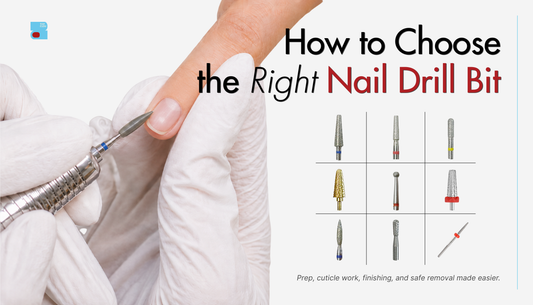
How to Choose the Right Nail Drill Bit for Prep, Cuticle Work, and Removal?